You Paid for the Photos. Do You Own Them?
What you really buy when you hire a photographer, from a Prince photo at the Supreme Court to celebrities sued over their own selfies.
¿Prefieres leerlo en español? Lee la versión en español.
It’s one of the most common questions I hear, and one of the most uncomfortable: “If I paid for the photos, why can’t I do whatever I want with them?” It sounds fair. You paid, the photos are of you, your wedding, your team, your company. So they should be yours. Right?
The answer isn’t a simple yes or no. This same question went all the way to the U.S. Supreme Court because of a photo of Prince. Several celebrities have been sued for posting photos of themselves. And now artificial intelligence is adding new questions. This guide explains it in plain English, with real cases, a quick quiz and a list of questions to ask any photographer before you hire them, me included.
The uncomfortable question
Think about a song. You buy it, you play it as many times as you want, at home, in the car, at a party. But you can’t put it in a TV commercial for your business. You bought a copy and the right to enjoy it, not the song itself.
Photos work the same way. When you hire a photographer, you are usually paying for three different things that feel like one:
| What you get | What it means | Is it usually yours? |
|---|---|---|
| The service | The photographer’s time, skill, editing and delivery. | Yes, that’s what you paid for. |
| The files | The edited photos in your gallery. | Yes, you keep them forever. |
| A license | Permission to use the photos in specific ways. | Yes, within its terms. |
| The copyright | Ownership of the photo itself: who can copy, sell or license it. | No, unless it’s transferred in writing. |
A Minneapolis story that reached the Supreme Court
In 1981, photographer Lynn Goldsmith made a portrait of a young Prince. In 1984, Vanity Fair licensed that photo for one-time use as a reference for an artist. The artist was Andy Warhol. Goldsmith was credited and paid $400.
Warhol used the photo to create a series of Prince images. After Prince died in 2016, the Andy Warhol Foundation licensed one of them, Orange Prince, to Condé Nast for a magazine tribute. Goldsmith sued.
In 2023 the Supreme Court ruled 7–2 in her favor: that 2016 license was not fair use. If the most famous pop artist in history couldn’t freely reuse a photographer’s portrait, a filter or a crop won’t do it either. You can read the full opinion.
Who owns a photo in the U.S.?
According to the U.S. Copyright Office, the photographer, the person who takes the picture, is generally the author and first owner of the copyright. Protection starts the moment the photo is taken. No registration or © symbol is needed.
There are two main ways ownership ends up with someone else:
- Work made for hire. A staff photographer shooting as part of their job creates photos the employer owns. A freelancer you hire for a wedding or a headshot session usually doesn’t fall into this category.
- A written transfer. Copyright can be sold or assigned, but U.S. law requires a written agreement signed by the owner. A verbal “they’re all yours” isn’t enough.
Why does it matter in real life? Because claims are no longer reserved for big companies. Since 2022, the Copyright Claims Board lets photographers file small claims of up to $30,000 without going to federal court. In federal court, damages for willful infringement can reach up to $150,000 per work.
Even celebrities get sued for posting photos of themselves
If “I’m in the photo, so it’s mine” were true, celebrities would be safe. They aren’t. Ariana Grande, Gigi Hadid, Khloé Kardashian, Emily Ratajkowski and Dua Lipa have all faced lawsuits from photographers or agencies for posting paparazzi photos of themselves on Instagram.
The logic is the same as in the table above: the person in the photo is the subject. The person who made the photo is the author. Being the subject gives you other rights, which we’ll get to, but not ownership of the image.
The selfie paradox
Here’s one to try at dinner. A friend takes a great photo of you with your phone. Who is the author? Under the general rule, the one who pressed the shutter: your friend. It’s your phone, your face and your vacation, and still not your photo, at least on paper.
Nobody sues a friend over a vacation picture. But the example shows what copyright protects: the creative act of making the image, not the device, not the subject, not who paid. It even has a famous limit: in 2018, a federal appeals court ruled that a macaque couldn’t sue over its viral selfie. The law protects human authors.
Five myths about photos you paid for
| Myth | Reality |
|---|---|
| “I paid, so I own it.” | You paid for the service and the files. Copyright stays with the photographer unless it’s transferred in writing. |
| “It’s on Google, so it’s free.” | Being online doesn’t put a photo in the public domain. |
| “I gave credit, so it’s fine.” | Credit is good manners. It isn’t permission. |
| “I changed it enough.” | Filters and crops don’t transfer ownership. Warhol changed much more and lost. |
| “I’m in it, so it’s mine.” | Ask the celebrities who were sued for posting photos of themselves. |
Quiz: who can use this photo?
Eight everyday situations. Think of your answer, then tap to see it.
1. You print your wedding photos at a pharmacy kiosk and the clerk asks for a release. Who can give it?
Your photographer. Many photo labs ask for a written print release when photos look professional. With my packages, printing for yourself is already included, and I can send you the release.
2. Your florist posts your wedding photos on Instagram to promote her business. Is that okay?
Not without the photographer’s permission. Being a vendor at the wedding doesn’t make the photos hers, and using them to sell her services is promotion. A quick message asking for permission and credit solves it.
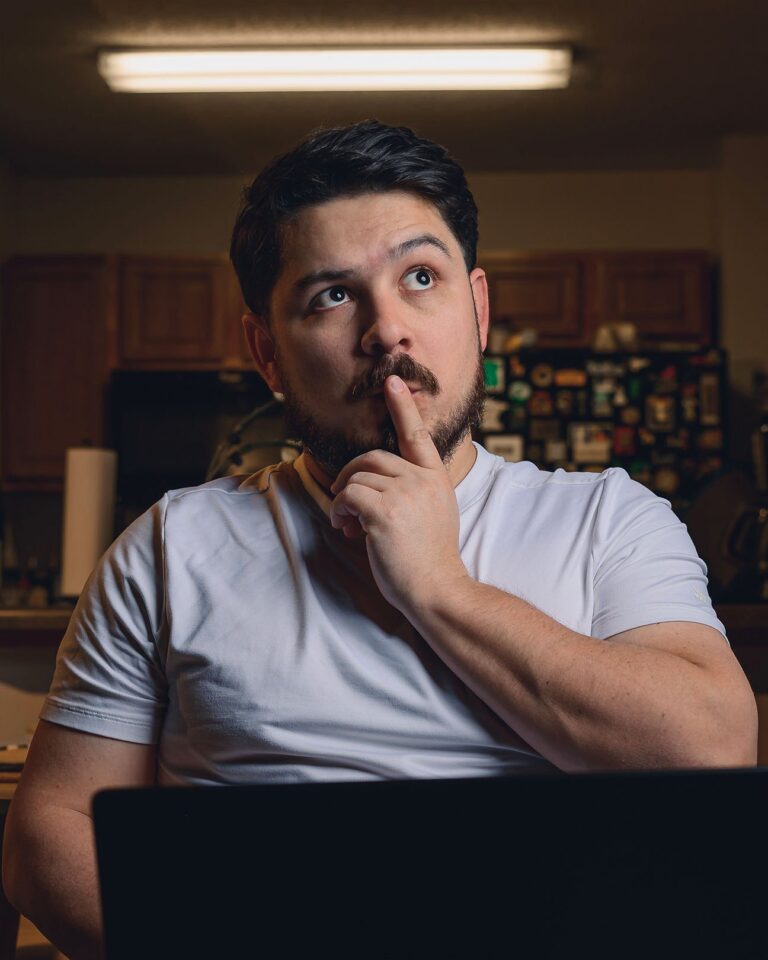
3. You use your new headshot on LinkedIn and your personal website.
Yes. That is personal professional use, and it is the reason most people book headshots. My Standard Usage License covers it and never expires.
4. Your company puts that same headshot in a paid Facebook ad.
That is advertising, a different use. It usually needs a commercial license. On my site, that is the Digital Advertising License.
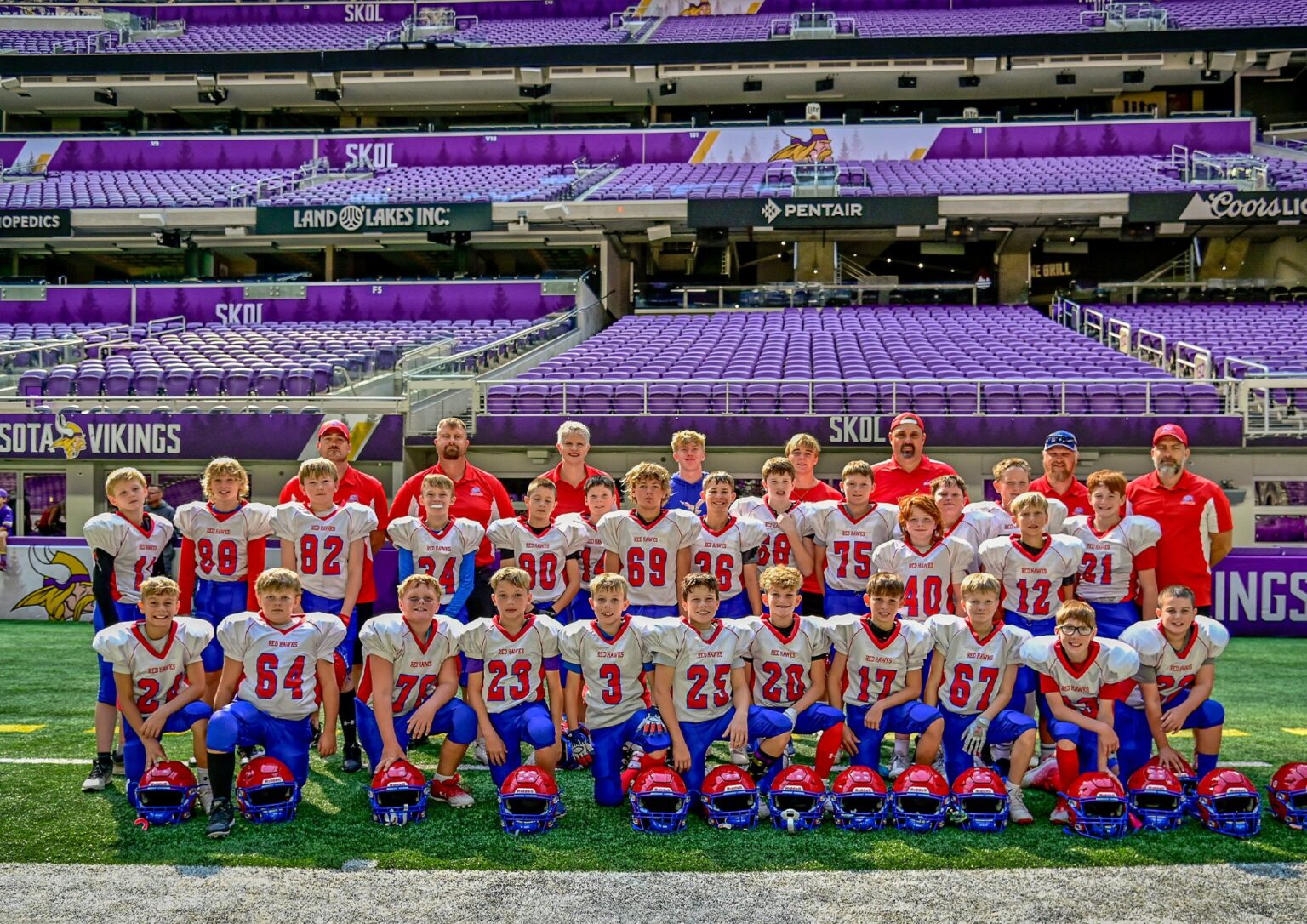
5. Your son’s sponsor reposts his game photo on the sponsor’s own page.
The athlete posting on his own channels, even tagging a sponsor, is covered by my Standard license. When the sponsor republishes it to promote its brand, the sponsor needs a commercial license.
6. You find the perfect photo on Google Images for your business website.
Being online doesn’t make a photo free. Unless the license says otherwise, someone owns it, and small businesses get copyright claims for exactly this.
7. You crop it and add a filter, so now it’s a new photo.
No. Edits don’t transfer ownership. Andy Warhol changed a Prince photo far more than a filter does, and he still lost at the Supreme Court.
8. You ask an AI tool to make an image “in the style of” a photographer you like.
A style on its own is generally not protected, but copying a specific photo can be. And an image made only by AI can’t be registered for copyright in the U.S., so you may not own it either.
What a photo license actually is
A license is the answer to one question: where will the photos be used? Every license defines four things:
- Scope: personal use, social media, a website, paid ads, print, packaging.
- Duration: forever, 12 months, 24 months.
- Territory: one country or several.
- Exclusivity: whether the photographer can license the same images to others.
The good news: almost everything most clients want is already included. This is how it works with my packages:
| Service | Included, never expires | Needs a commercial license |
|---|---|---|
| Weddings & parties | Printing for yourself, sharing, social media, your own website. | A vendor or brand using them to sell. |
| Headshots & portraits | LinkedIn, your website, business cards, résumé. | Paid ads, billboards, packaging. |
| Sports | Athlete, family and team channels and recruiting profiles, with credit. | A sponsor or brand republishing them. |
| Corporate events | Web, social and press on your own channels. | Paid digital ads or print campaigns. |
The details, prices and the buyout option are on my licensing page.
Your face has rights too
This is where the debate turns around. The photographer owns the photo, but you own your face. In Minnesota, the state Supreme Court recognized in 1998 that a person can sue when someone appropriates their image or likeness (Lake v. Wal-Mart).
In practice, that’s why advertising uses a model release: written permission from the person in the photo. A photographer generally can’t put your face in an ad for a product without it. My photos of people, and especially of minors, don’t include a commercial model release. If a company wants to advertise with them, it needs signed releases.
So it isn’t the photographer against the client. Each one holds part of the picture: one owns the image, the other owns their likeness.

Photos and artificial intelligence
AI added a new chapter. In 2025, a federal appeals court ruled that a work generated entirely by AI can’t be registered for copyright, because the law requires a human author. In March 2026 the Supreme Court declined to review the case. In short: if a machine made it alone, nobody may own it.
That raises new questions for clients:
- Can I edit my photos with AI? Light edits for yourself are usually fine. Changing the meaning of a photo or retouching people is a different story, and many photographers, me included, ask to approve it.
- Can my photos train an AI? My licenses don’t allow it. Your wedding or your child’s game shouldn’t become training data.
- Can I copy a photographer’s style with AI? A style alone is generally not protected. Copying a specific photo is a different matter.
Is it fair that the photographer keeps the copyright?
Here’s where reasonable people disagree, so let’s look at both sides.
The client’s side. “I paid. The photos are of my life, my family, my company. I don’t want to ask permission every time, and I don’t want to lose them if the photographer disappears.” All of that is fair.
The photographer’s side. The price of a session is based on its use. A family session priced like a national ad campaign would be out of reach for most families. Keeping the copyright lets photographers show their portfolio, protect their work from misuse and keep prices accessible.
The middle ground is a clear license: personal use that never expires, the files delivered to you, written terms, and a simple way to expand the use when you need it. And if you truly need ownership, a buyout exists. It’s just priced as what it is.
How to avoid problems before you hire
Ask these questions before you sign with any photographer:
- Who owns the copyright after the session?
- Which uses are included, and does that license expire?
- Can I print the photos wherever I want? Will you give me a print release?
- Can my company, sponsor or vendors use them? Under what license?
- Is credit required? Where?
- What happens if I need more uses later?
- Who handles model releases for advertising?
- What is the policy on AI editing and AI training?
- Is all of this in writing, in the contract?
Where do you land?
If you paid for the photos, should they be completely yours? Tell me what you think on Instagram at @rizocreativo. And if you want to know exactly what you can do with photos from a session with me, the answer is on my licensing page and in my terms.
This article is general information about U.S. copyright, not legal advice. I’m a photographer, not a lawyer. For a specific situation, talk to an attorney.
Questions clients ask
Do I own my photos after paying a photographer?
Usually not the copyright. In the U.S. the photographer is generally the owner unless the copyright is transferred in a signed written agreement. You own the files and a license to use them.
Can I print my professional photos anywhere?
With most photographers, printing for yourself is allowed. Some labs ask for a written print release, which your photographer can provide. My packages include personal printing.
Can my business use photos from my headshot session in ads?
LinkedIn, your website and business cards are usually included. Paid ads, billboards or packaging normally need a commercial license.
Is giving credit enough to use someone’s photo?
No. Credit isn’t permission. You need a license from the copyright owner.
Can I buy the copyright to my photos?
Often, yes. It’s called a copyright transfer or buyout, it must be in writing, and it costs more because the photographer gives up future use of the image.
Can a photographer use my photos to advertise a product?
Generally not without your written permission. Using a person’s likeness in advertising requires a model release.
Photos made to be used.
See the portfolio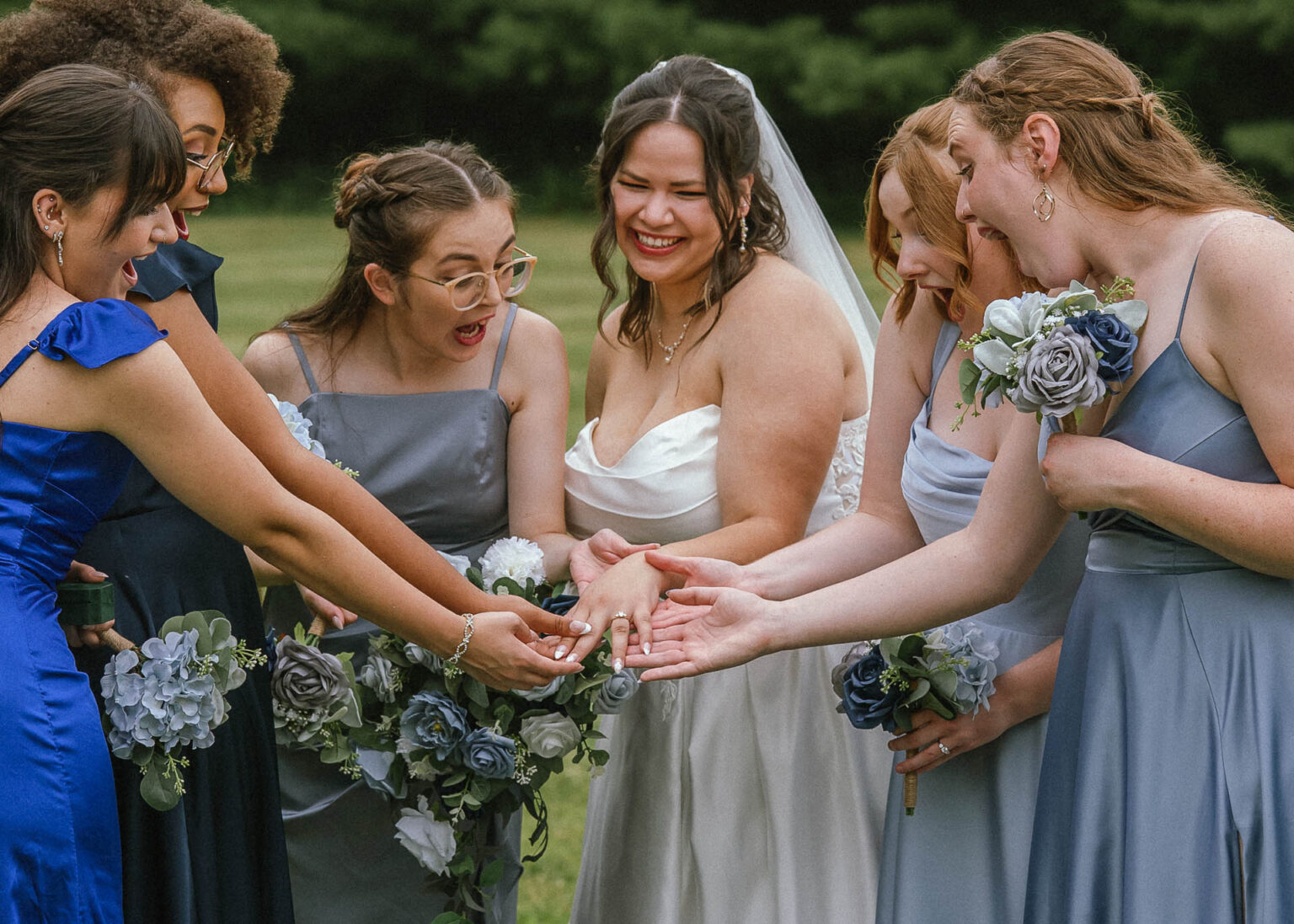
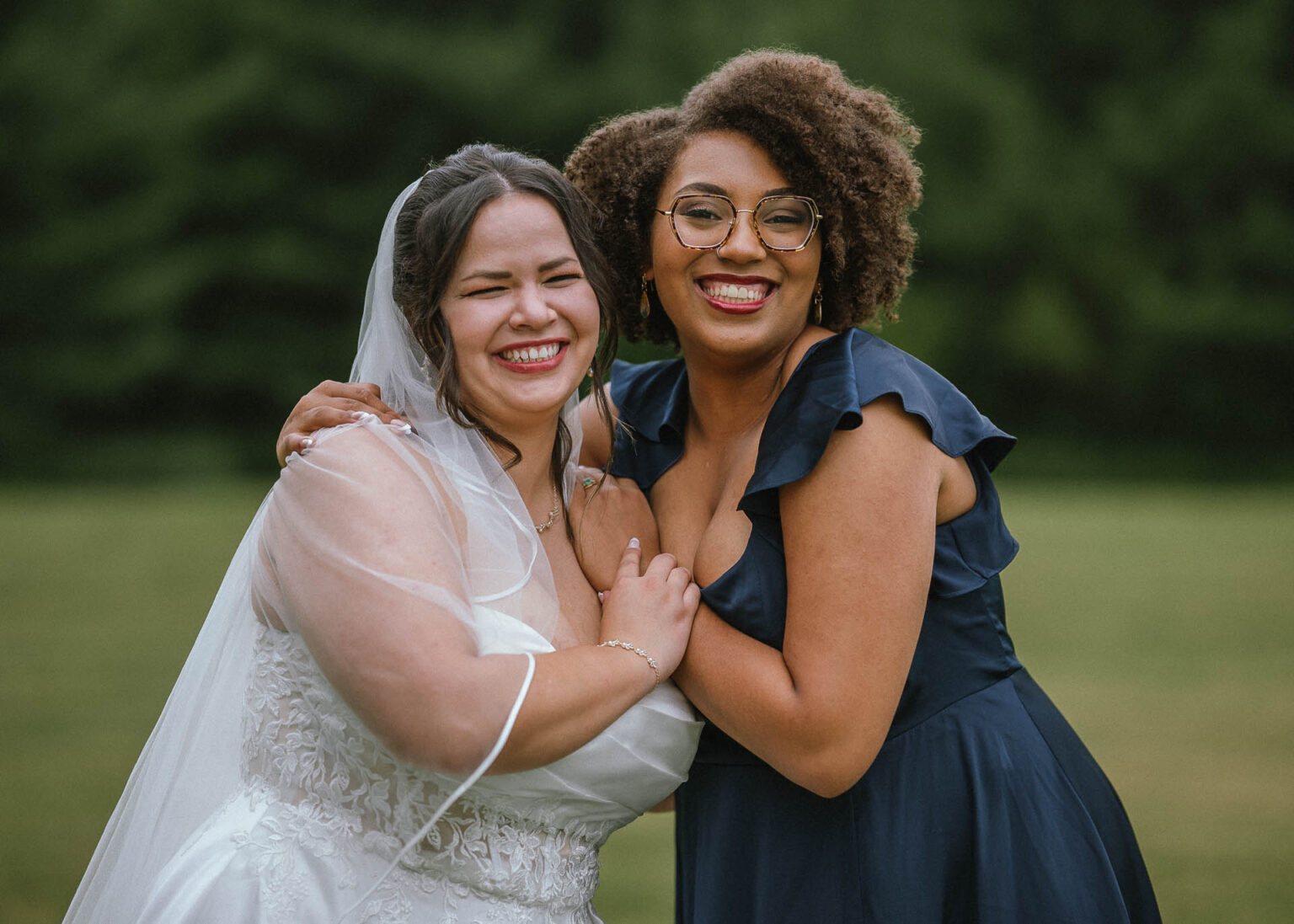
Know what you can do before you book.
Every package includes a Standard Usage License that never expires. Need ads, print or a buyout? Tell me where the photos will go and I will quote it.